
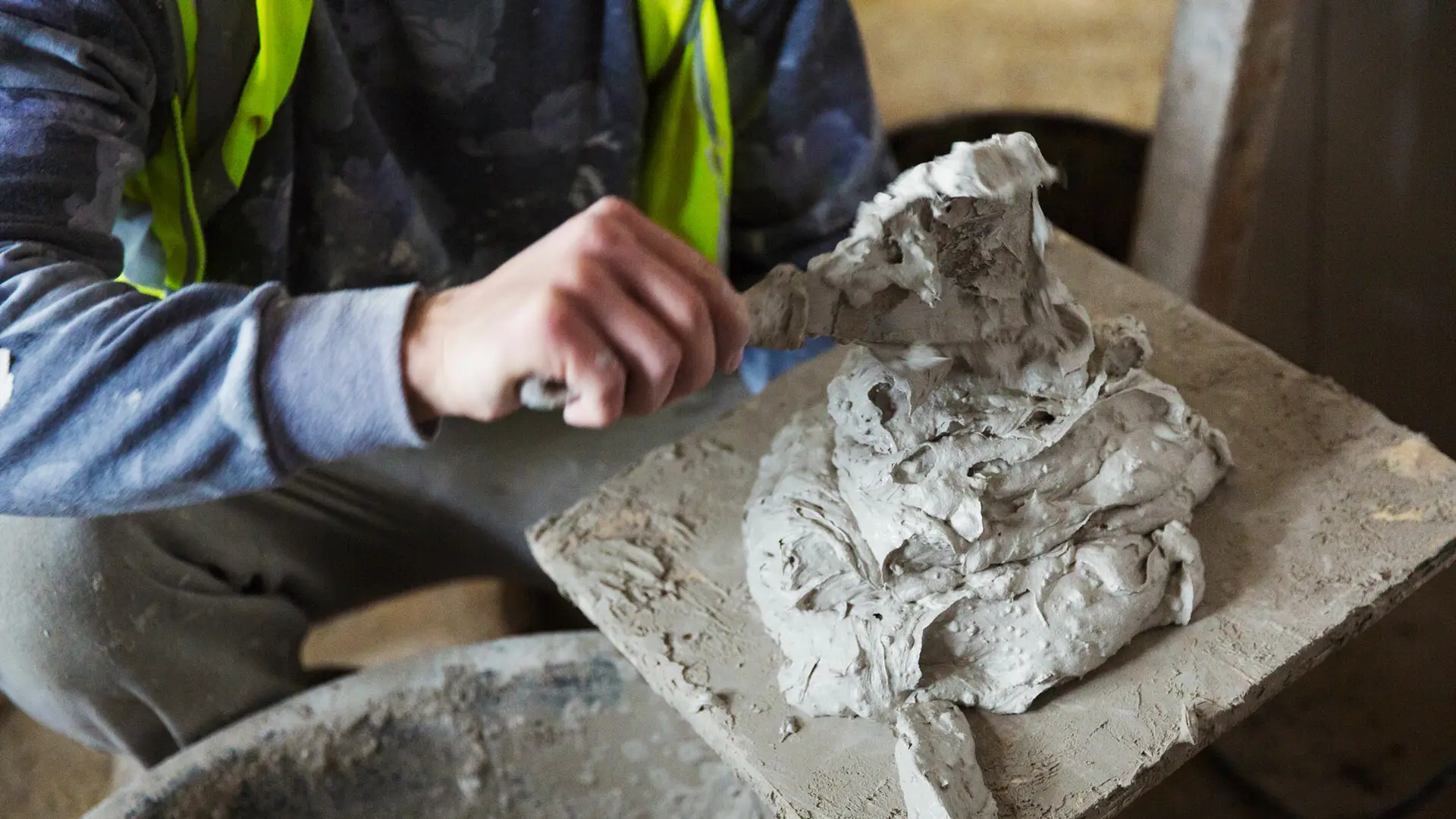
If you’ve ever had a batch of mortar that just didn’t feel right — too stiff, too weak, or inconsistent across the day — there’s a good chance the mix ratio was off.
On paper, mortar ratios look simple. In reality, they’re one of the most common causes of problems on site: cracking joints, weak bonding, wasted materials, and lost time. This guide breaks down mortar mix ratios in practical terms — not just what they are, but when to use them, what goes wrong, and how modern systems are changing the way builders handle mortar altogether.
What Is a Mortar Mix Ratio?
A mortar mix ratio refers to the proportion of materials used to create mortar — typically:
- Cement
- Lime (optional, depending on the mix)
- Sand
- Water
You’ll often see ratios written like: 1:1:6 or 1:0.5:4.5
That simply means:
- 1 part cement
- X parts lime
- X parts sand
Water isn’t included in the ratio because it’s adjusted based on conditions.
The Most Common Mortar Types (M2, M3, M4)
In Australia, mortar is usually classified by strength rather than just ratio. Here’s how it typically breaks down:
M2 Mortar (General Purpose)
- Lower strength
- Easier to work with
- Suitable for non-load-bearing walls
Used for:
- Residential brickwork
- Internal walls
M3 Mortar (Standard Structural)
- Balanced strength and workability
- Most commonly used mix
Used for:
- General construction
- External walls
M4 Mortar (High Strength)
- Stronger, less flexible
- Lower workability
Used for:
- Load-bearing walls
- Structural applications
Why Getting the Ratio Right Matters
It’s not just about strength — it affects everything on site.
1. Workability
Too much cement: sticky, hard to spread
Too much sand: Crumbly, weak bonding
A good mix should feel:
- Smooth
- Consistent
- Easy to lay/great workability
2. Strength vs Flexibility
Higher strength isn’t always better.
Stronger mixes (like M4):
- Resist compression
- But can crack under movement
Weaker mixes (like M2):
- More flexible
- Better for certain applications
3. Consistency across the Job
This is where things usually fall apart. Manual mixing often leads to:
- Different ratios between batches
- Varying water content
- Inconsistent finish
- Lack of consistency in colour (especially important on commercial jobs and high-end residential)
Over a full day, that adds up.
The Real Problem: On-Site Mixing
Most builders don’t struggle with knowing the ratio — they struggle with maintaining it. On-site mixing introduces variables:
- Different workers mixing differently
- Changing weather conditions
- Inconsistent measuring
Even small variations can lead to:
- Weak joints
- Colour inconsistency
- Increased waste
How Modern Mortar Systems Solve This
More builders are moving away from manual mixing entirely.Systems like dry silo mortar (supplied by companies like MERCOL) remove the guesswork by delivering pre-mixed mortar that’s activated on demand.
What changes?
- Ratios are controlled off-site
- Every batch is identical
- Water is added consistently
On site, that means:
- Less downtime
- More predictable results
- Cleaner workflow
- Choosing the Right Mortar for Your Project
Instead of focusing only on ratios, think in terms of:
- Project Type
- Residential vs commercial
- Load-bearing vs non-load-bearing
- Conditions
- Weather exposure
- Movement in the structure
- Workflow
- Manual mixing vs pre-mixed systems
Practical Tips from Site Experience
Some things that don’t always get mentioned:
- Don’t chase “perfect strength” — match the mortar to the job
- Keep sand quality consistent (this is often overlooked)
- Avoid adjusting water too frequently — it creates too much variability
- Train teams to follow the same mixing process or document it
Or better yet — remove the variability altogether.
Final Thoughts
Mortar mix ratios aren’t complicated — but consistency is. Most issues don’t come from using the wrong ratio. They come from not being able to repeat the same mix reliably across an entire project.
That’s why more construction teams are shifting toward controlled systems that deliver the same result every time. Because in the end, it’s not just about what’s in the mix — it’s about how consistently you can deliver it on site.
Need help getting consistent mortar on-site?
If you’re planning a project and want to reduce variability, waste and labour time, it’s worth looking at modern mortar supply options. Get an estimate today.